Juneteenth Recipe Share
By: Mykalee McGowan, Della Miller, and Amanda Everich
This blog post contains the personal opinions and reflections of the authors and is not representative of the voice of the organization.
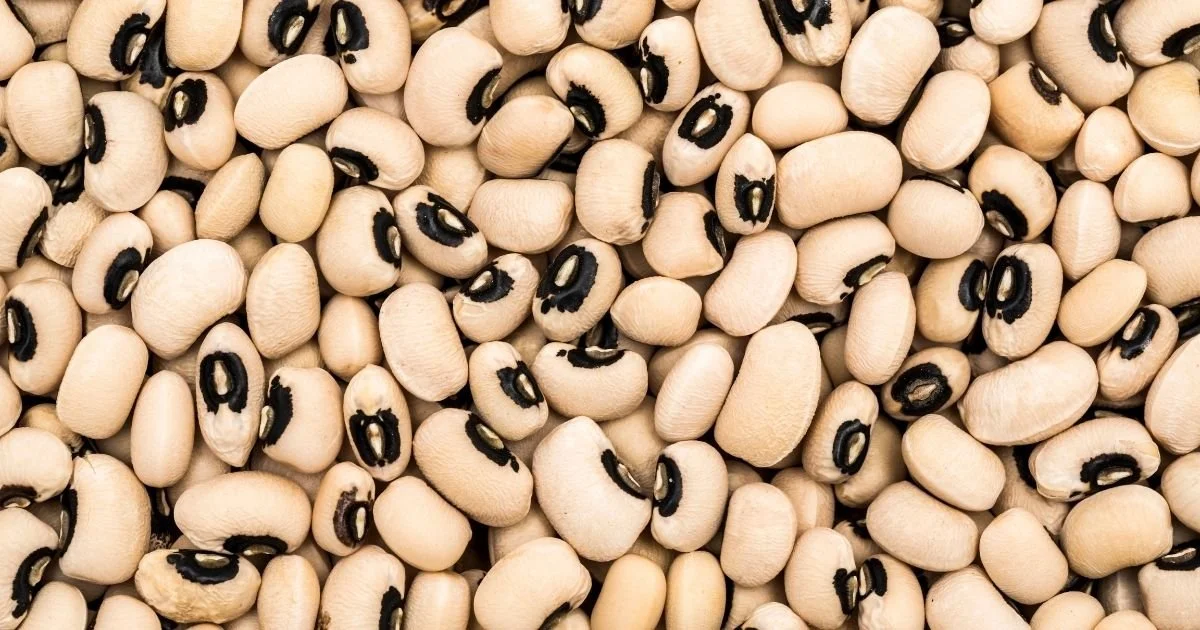
Photo: Monika Grabkowska, Unsplash
Today is Juneteenth, a commemorative holiday which marks the 161st anniversary of the emancipation of the last enslaved African Americans in the United States. It was first celebrated in Texas in 1866, a year after Union troops arrived in Galveston Bay and announced that enslaved people in the state were free.
In spite of their newfound freedom, Black people still had to fight violence, systemic racism, and many obstacles to build a better future for themselves and their families. What sustained them were a few foods and traditions that helped them heal their bodies, grow their economic power, and nourish their communities.
Brought to you by our BFF Community, here are three foods that have been used to promote health, wellness, and resilience in the Black community and the recipes and stories that continue to nourish us.

By Mykalee McGowan, Communications Associate at Black Farmer Fund
Mullein: Passing Healing Knowledge
My first encounter with mullein was in a small Afrocentric herbal shop in Washington, DC. As a vegan college student with a nasty cough, I wanted to find a natural and affordable way to combat this cold. A friend of mine told me to head to the herbal shop and consult the elders that have been healing the neighborhood for over 30 years.
When I stepped through the doors, I barely uttered a word before the shopkeeper turned around and perused his collection. He grabbed a large mason jar filled with a light and fuzzy herb and a giant label that read “Mullein Leaves”. He shared about what mullein can do for me and his own experience using the herb. As he rung me up, he prescribed me a daily infusion of the herb until the cough subsided and I did just that. That was over a decade ago and since then mullein has become a staple herb in my personal apothecary.
Mullein (Verbascum thapsus) is a biennial or short-lived perennial flowering plant native to North Africa, Asia, and Europe.
The herb has a plethora of vitamins and minerals and contains anti-inflammatory, antiseptic, and demulcent properties. It is commonly used to ease colds and respiratory conditions as well as relieves symptoms of arthritis and gout.
Mullein was also a spiritual medicine known to invoke prophetic dreams, astral travel, and ancestral connection.
Mullein has been used widely in African American healing traditions. In fact, George Washington Carver once said, “ I wish to say that mullein is one of the oldest of our medicinal plants…It is of unusual value along that line, one of the best known household remedies” (Penniman, 2018).
Since alcohol wasn’t readily available, African American ancestors prepared mullein through teas, baths, and poultices.
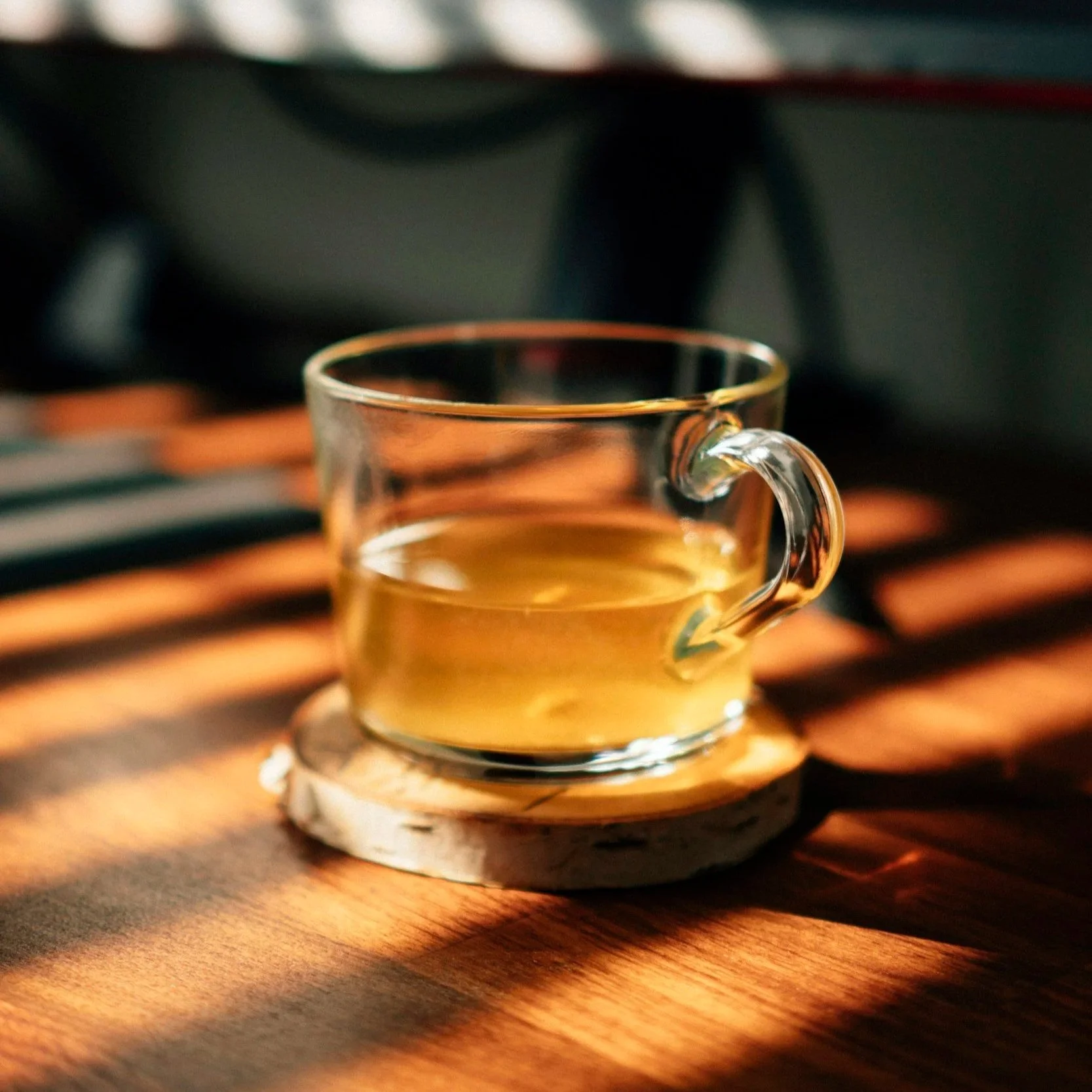
Photo: Unsplash
Mullein Tea Recipe
Ingredients:
1 tsp of dried mullein (or 2 tsp of fresh mullein)
1 cup of water
Instructions:
Bring your water to a boil
Put the dry/fresh herb into the water
Cover the cup and steep for 5-10 minutes
Drink it straight or add your favorite sweetener such as honey or agave syrup.
Black-Eyed Peas: Food & Family Memories
As I reminisce about my childhood, one memory that stands out vividly is my mom's enticing preparation of Black-Eyed Peas in our kitchen. The tantalizing aroma filled the air, and my taste buds danced with anticipation.
My mom's culinary skills knew no bounds when it came to these versatile legumes, transforming them from mere side dishes to magnificent main courses. Whether it was a hearty soup or flavorful stew, crisp fritters or delectable sweet bakes, she mastered them all.
A cherished family tradition on New Year's Day was to savor a steaming bowl of Black-Eyed Peas, a practice we believe would bring prosperity for the year ahead. Even to this day, I faithfully uphold this tradition, recognizing the symbolic significance of these humble peas.
Reflecting back to my catering days, three decades ago, I embarked on a culinary adventure, seeking innovative ways to incorporate Black-Eyed Peas into my menu. It was during this time that I crafted my very first Black-Eyed Pea Salad, a creation that soon garnered immense popularity and became a highly sought-after addition to my offerings, delighting countless palates.
Black-eyed peas bear witness to a rich history celebrated under various names across different corners of the world, each region adding its unique touch to this beloved legume.
The nutritional value of Black-Eyed Peas adds to their appeal. They are excellent sources of plant-based protein, dietary fiber, vitamins, and minerals. Their versatility allows them to be incorporated into a wide range of dishes from soups and stews to salads, dips, spreads and even desserts.
As time passes, Black Eyed Peas continue to be cherished and celebrated, honoring their heritage and the countless generations who have savored their taste and benefits from their nourishment.
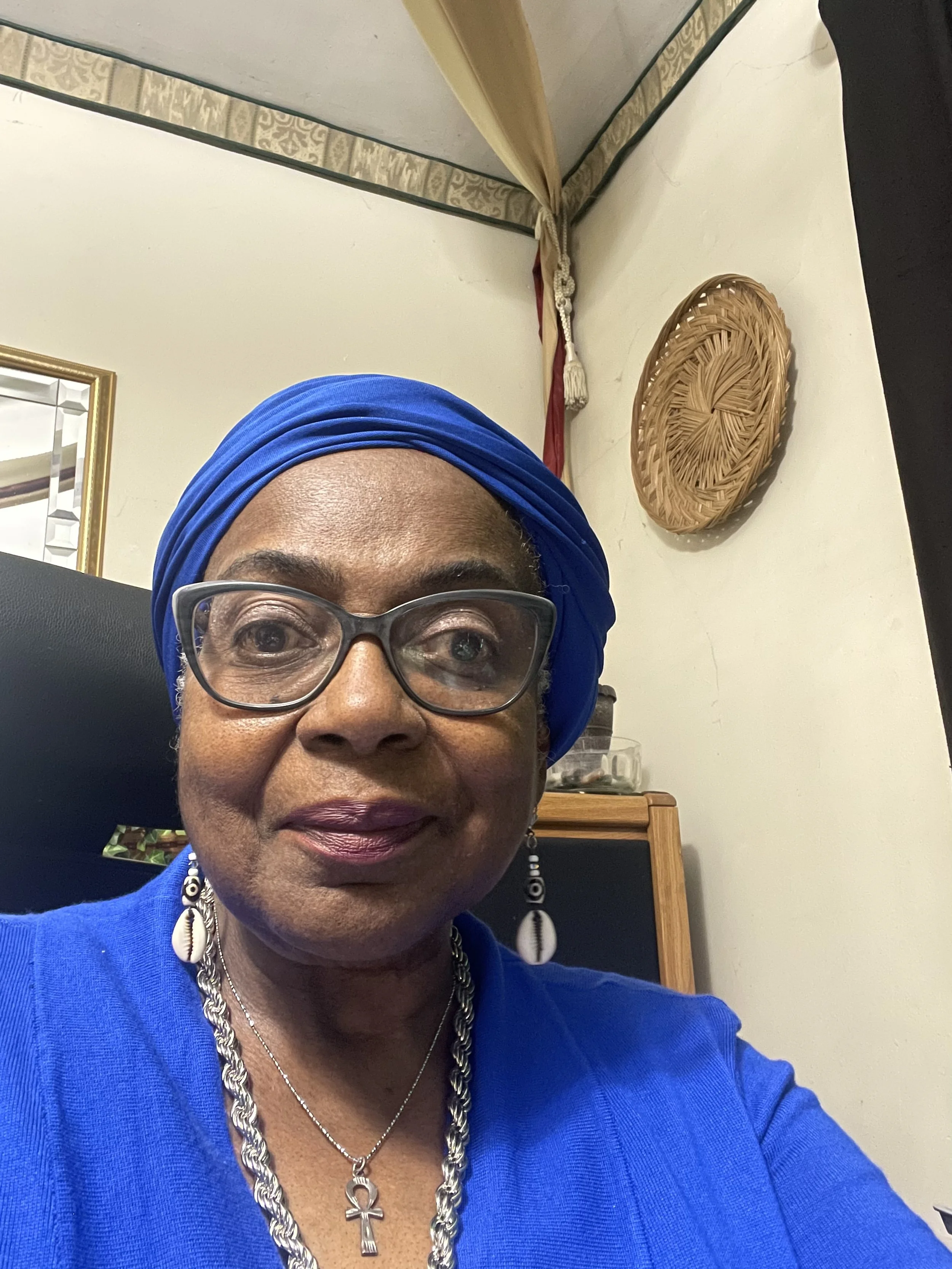
By Della Miller, Investment Committee Member at Black Farmer Fund
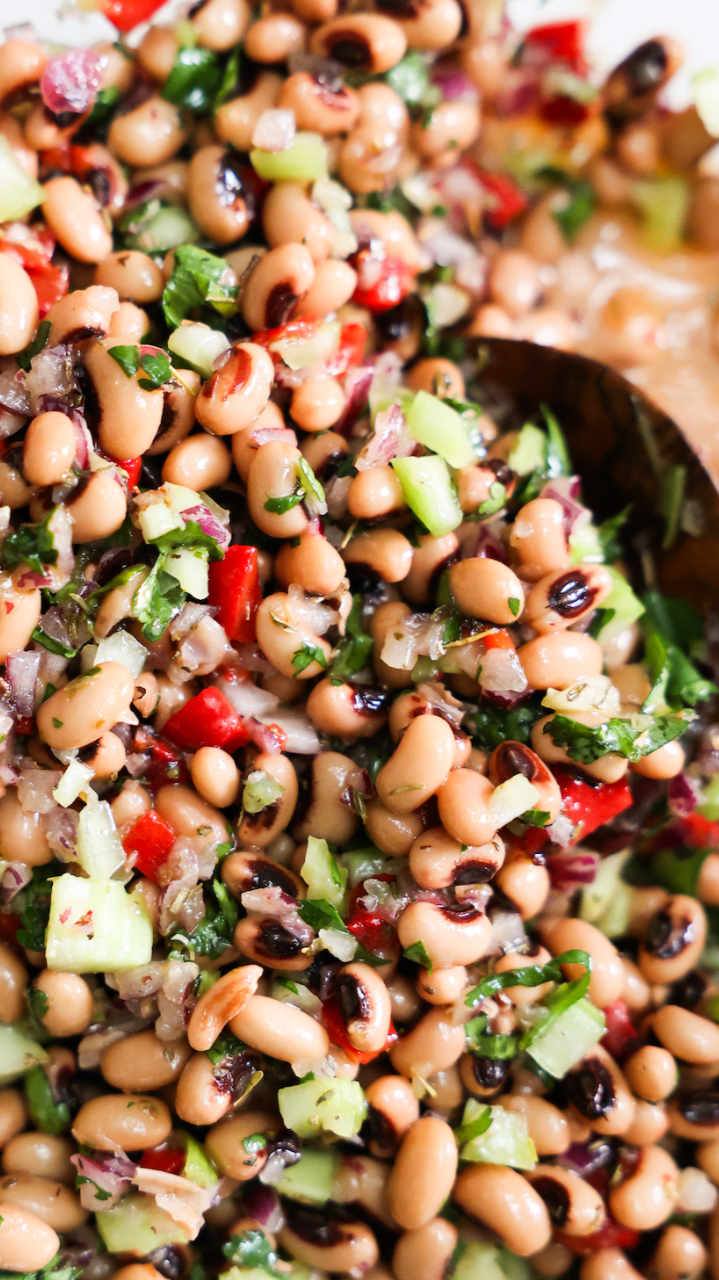
Photo: Jenne Claiborne, Sweetpotatosoul.com
Black Eyed Peas Salad with Vinaigrette Dressing Recipe
Salad Ingredients:
3 cups cooked Black eyed peas
½ fresh green pepper, finely chopped
½ fresh yellow pepper, finely chopped
½ fresh red pepper, finely chopped
½ purple onion, finely chopped
10 small cherry tomato, quartered
1 fresh jalapeno pepper, finely chopped
Vinaigrette Dressing Ingredients:
Tablespoons - Extra virgin olive oil
2 Tablespoons - Balsamic vinegar
Juice of ½ Lemon – up the freshness
1 Tablespoon – Dijon Mustard for tanginess
1 Tablespoon - crushed Garlic for oomph
1 Teaspoon of pepper flakes or your favorite heat to taste
1 Teaspoon Honey – a little sweetness is optional.
Vinaigrette Dressing Instructions:
In a Mason jar, combine all ingredients, screw the lid on tight.
And shake, shake, shake until everything is well blended.
Taste vinaigrette – add spices or herbs to your taste
Salad Instructions:
Add all ingredients into a large bowl
Lightly stir and set aside
Slowly pour vinaigrette into the bowl and stir to evenly coat the vegetables.
Refrigerate overnight or at least 4 plus hours before serving.
Tip: Alternatives – Fresh-homemade food is always best. However, canned beans, jarred Jalapeno peppers and bottled dressing can be used in this recipe.
Sesame Seeds: Ancestral Traditions
Sesame seeds were brought to the West Indies and the southern coast of the U.S. by enslaved peoples from West Africa in the 1700’s. In Africa, the benne (the Bantu word for sesame) plant is a source of luck and protection and is a versatile crop used for many dishes and medicinal benefits with stories of its spiritual uses dating back to India where it was first grown thousands of years ago.
Benne wafers are a traditional sesame seed based cookie created by Gullah Geechee peoples in South Carolina.
Making benne wafers for the first time while visiting the south was a rite of passage, a remembering and a way of honoring the memory of my great grandmother, Hattie, my family’s matriarch and the protector of our Gullah Geechee lineage.
The body holds generations of grief and trauma and also connections to culture, food and land that can guide us into ways of healing and reclaiming the portals of knowledge we can use to create it. Benne wafers are a reminder of the worlds of stories, history and culture held in every seed.

By Amanda Everich, Community Facilitator and Education Manager at Black Farmer Fund
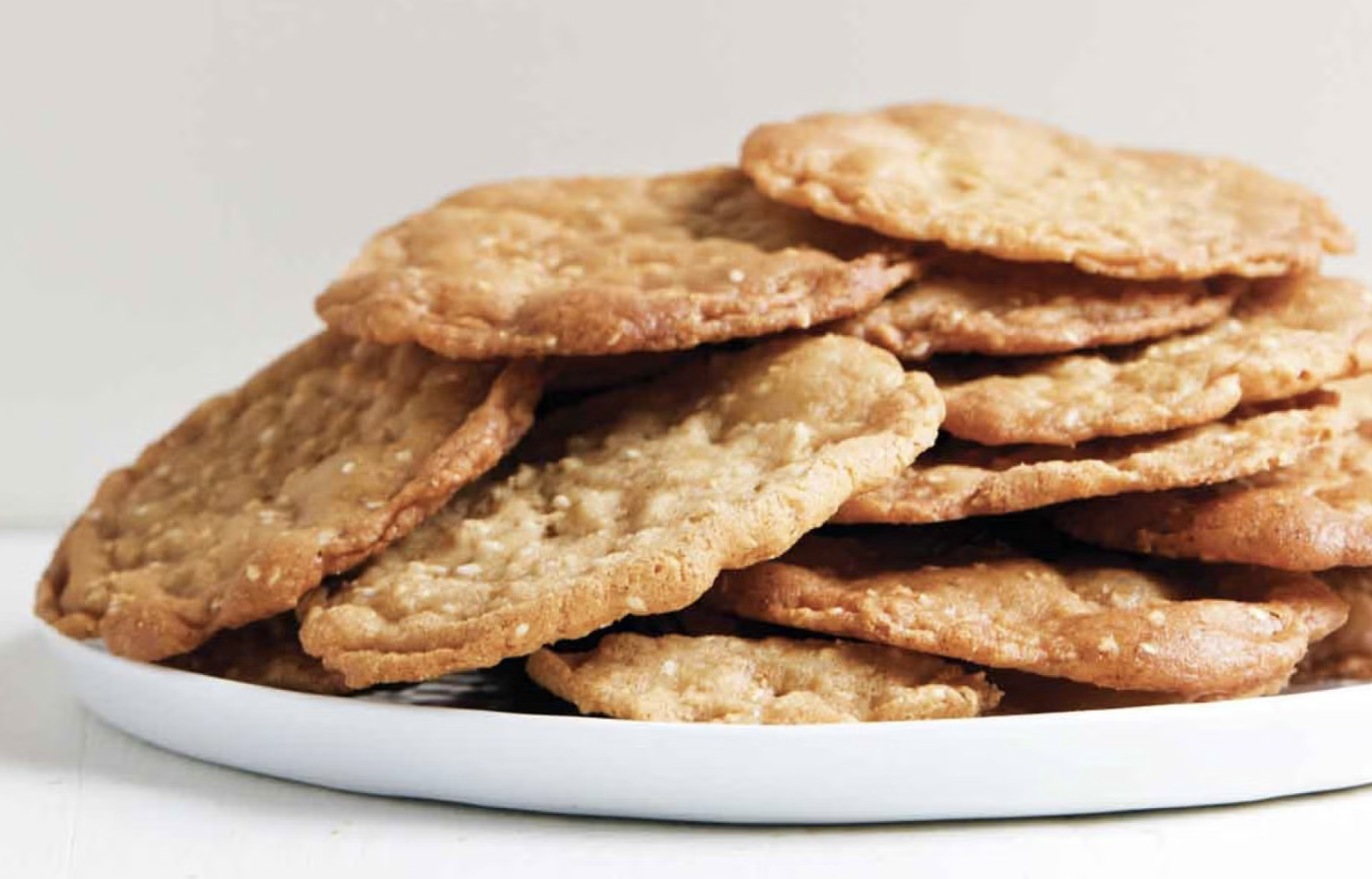
Photo: King Arthur Test Kitchen
Benne Wafer Recipe*
Ingredients:
8 tablespoons (1 stick) unsalted butter, at room temperature
1 cup packed light brown sugar
1 teaspoon vanilla extract
1/4 teaspoon kosher salt
1/8 teaspoon baking soda
1 large egg
1 cup all-purpose flour
1 cup toasted sesame seeds
Nonstick cooking spray, for your hands
Instructions:
Preheat the oven to 350°F.
Line two rectangle baking pans with parchment paper.
Add butter in a large bowl and use a hand mixer to cream the butter
After 30 seconds, slowly add the sugar, vanilla, salt, baking soda, and egg until fully combined.
Add flour and mix until smooth.
Add the sesame seeds into the bowl and stir until evenly distributed in the dough.
Drop 1/2 tablespoon of dough onto baking pans, spacing each dollop at 1 inch apart.
Coat your hands with nonstick spray and press the cookies down.
Bake for 10 to 12 minutes until golden brown and crisp around the edges.
Allow the cookies to cool for a few minutes before transferring them to a wire rack to cool completely.
Store in an airtight container to preserve freshness.
*Recipe adapted from Kardea Brown’s Benne Wafer’s Recipe on TheKitchn.com
For Freedom Day, reflect on the many staple foods that have healed, protected, and sustained Black people throughout history and the many stories they hold. Do you have any staple foods or traditions from your family or community? Share in the comments below!
Sources:
Brown, K. (2023, February 7). Kardea brown’s benne wafers recipe. The Kitchn. Retrieved June 16, 2023, from https://www. thekitchn.com/kardea-browns-benne-wafers-recipe-23501854
Morgan, A. (2020, August 30). Roots of african american herbalism: Herbal use by enslaved africans. Herbal Academy. https://theherbalacademy.com/african-american-herbalism-history/
Offenburg, B. (2022, February 15). Honoring african american herbalism. WishGarden Herbs. Retrieved June 5, 2023, from https://www.wishgarden herbs.com/blogs/wishgarden/honoring-african-american-herbalism
Penniman, L. (2018). Plant medicine. In Farming while black: Soul fire farm’s practical guide to liberation on the land (pp. 181–201). Chelsea Green Publishing