
Disability Pride Month: Sharing Five Resources for Farmers with Disabilities
By: Onyx Ramírez and Mykalee McGowan
This blog post contains the personal opinions and reflections of the author and is not representative of the voice of the organization.
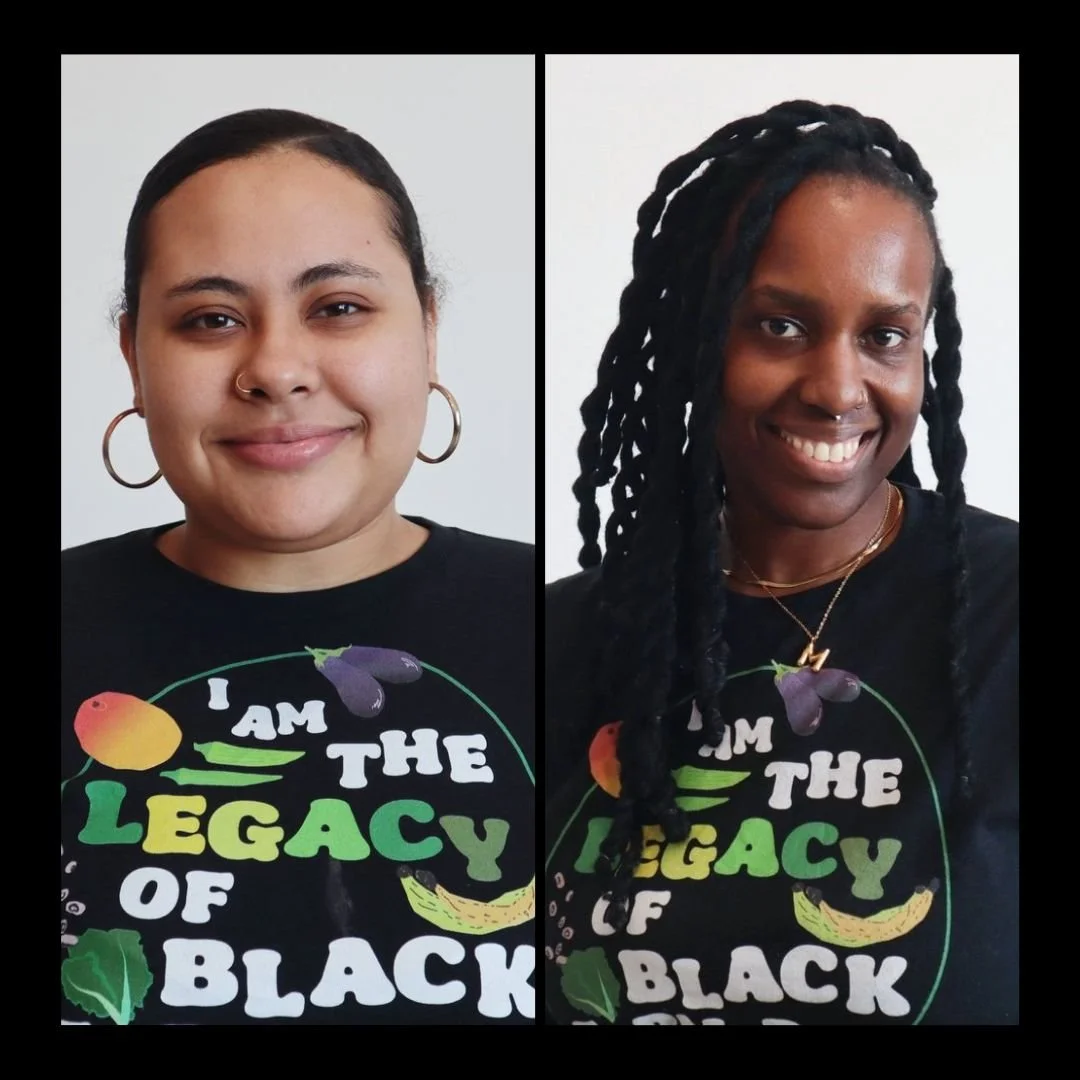
By Onyx Ramírez and Mykalee McGowan, Senior Communications Manager and Communications Associate, Black Farmer Fund
Did you know that July is Disability Pride Month? Marking the anniversary of the Americans with Disabilities Act (ADA), Disability Pride Month celebrates the history, achievements, and experiences of the disability community.
According to 2019 research from the USDA Economic Research Service, approximately 28% of the U.S. farming population experiences a disability. This means over half a million agricultural workers navigate temporary or permanent health challenges that affect their mobility, cognition, or sensory functions in their day-to-day work.
Black famers and farmworkers come in all shapes, sizes, and abilities. While rewarding, working in the agricultural field is very labor intensive, isolating, and can lead to disabilities.
Whether you were born with a disability, became disabled, or just want to equip yourself and spread the knowledge, you deserve to get the adequate support you need to thrive in food, community, health, and finances.
Today, we are highlighting 5 incredible resources that can support farmers, ranchers, and agricultural workers with disabilities.
Resources For Farmers, Ranchers, and Agricultural Workers with Disabilities
1.National Agrability Project
The National AgrAbility Project is a federally funded program dedicated to enhancing quality of life for farmers, ranchers, and other agricultural workers with disabilities so they, their families, and their communities continue to succeed in the agricultural industry.
To fulfill this mission, AgrAbility provides educational programs, technology adaptation guides, and other resources. They also provide direct services to agricultural workers through consultations.
Resource Highlight: The Toolbox: Assisted Technology Database
2.Cultivemos
Cultivemos is a service provider network for diverse farming communities across the Northeast, facilitating assistance related to mental health, stress wellness, financial literacy, farmland management and more.
Fueled by their belief that farmers and their families should be connected to accessible, culturally-competent, and effective mental health care, they also provide training programs, educational workshops, resource guides, peer groups, outreach services, and even a telephone helpline in Spanish and English.
Resource Highlight: Cultivating Resilience Podcast
3.Farmer Resource Network
An extension of Cultivemos, the Farmer Resource Network is a free search tool where you can find resources and organizations that are useful for agricultural workers and communities across the U.S. With a robust search engine, you can easily access specific assistance based on your agricultural role, state, farm type, and kinds of services you are seeking.
The Farmer Resource Network resides on the Farm Aid’s website and is supported by the USDA National Institute of Food and Agriculture, Farm and Ranch Stress Assistance Network Project (FRSAN).
4.Agrisafe network
The AgriSafe Network is a non-profit organization of trained health professionals and educators that aims to reduce common health disparities found among agricultural communities.
In response to the increased risk of health challenges farmers and ranchers face, such as hearing loss, disabling injuries, respiratory diseases, and mental health issues, they provide occupational health services, health and safety resources, and extensive training programs.
Resource Highlight: AgriSafe Learning Lab
5.National Disability Institute
The National Disability Institute (NDI) is the first non-profit organization committed to improving the economic wellbeing and employment inclusion of people with disabilities.
NDI offers extensive financial literacy programs, trainings, and information on topics such as tax preparation, asset development, benefits planning, and more. They also provide entrepreneurship support for disability owned businesses, from developing a business plan to accessing contract opportunities.
Resource Highlight: Financial Resilience Center
Sources:
Miller, C. & Aherin, R. (2018). The Prevalence of Disabilities in the U.S. Farm Population. Journal of Agricultural Safety and Health. 24(4). https://doi.org/10.13031/jash.12934.
https://www.agrability.org
https://www.farmaid.org/our-work/resources-for-farmers/cultivemos-the-network-for-farmer-well-being/
https://frn.farmaid.org/s/
https://www.agrisafe.org
https://www.nationaldisabilityinstitute.org