
Meeting The Moment As A Black Fundraiser
By: Olamide Goke-Pariola
Edited by: Onyx Ramírez
This blog post contains the personal opinions and reflections of the author and is not representative of the voice of the organization.
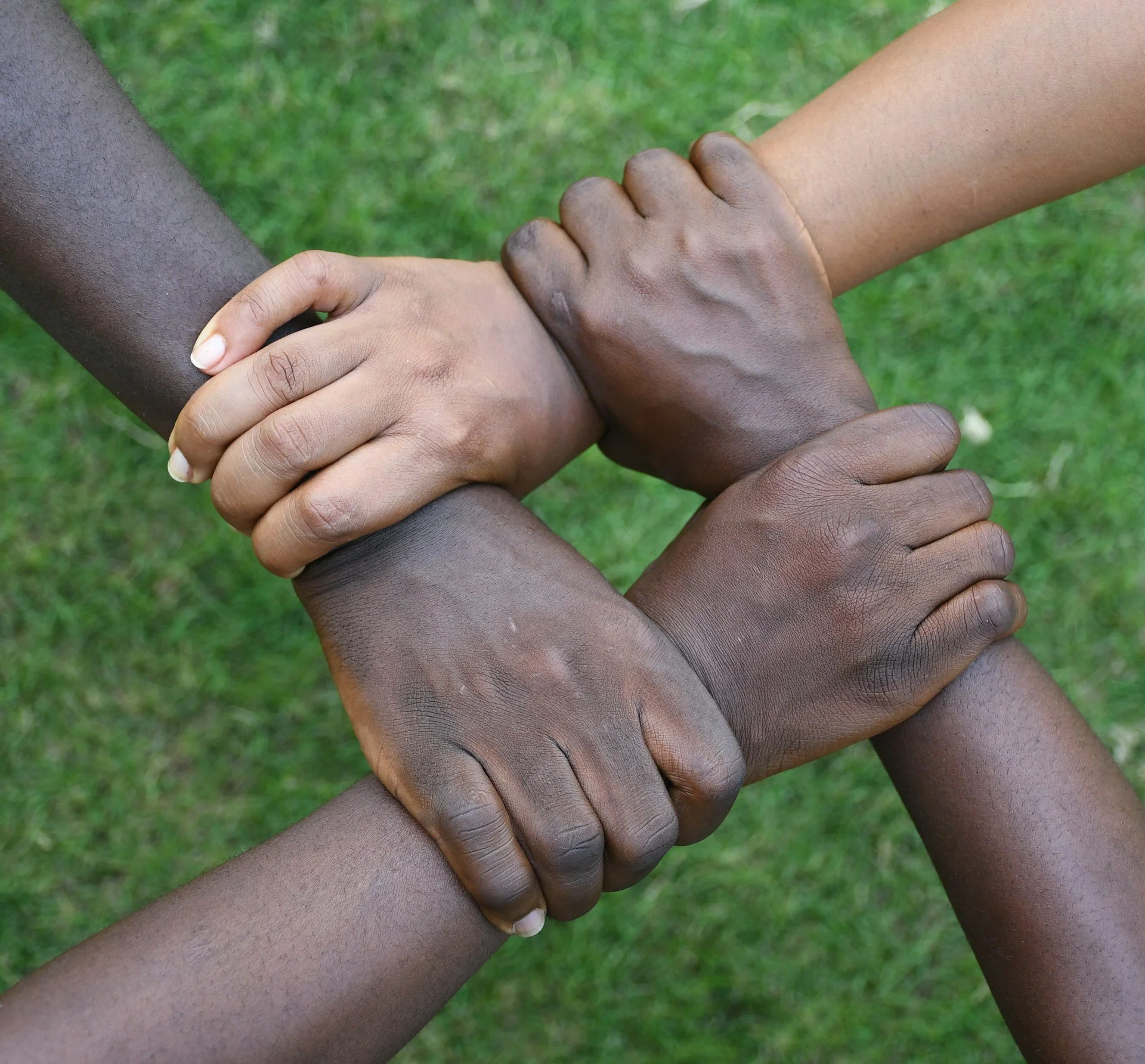
Photo: Iwaria Inc., Unsplash

By Olamide Goke-Pariola, Development & Investor Relations Director at Black Farmer Fund
I have worked in fundraising for many years. It’s a perfect fit for me – I enjoy building relationships, talking to people, and connecting people to the causes that are dear to them through philanthropy. I’ve always taken a relationship approach to fundraising versus a transactional approach, which is more in line with my personal values, and also the values of the organizations I fundraise for.
Black Farmer Fund is the second Black-founded and Black-led organization that I’ve had the pleasure to work for. Standing in this work of fundraising for my community is so meaningful to me. I’m so proud to be able to play a small part in improving the livelihoods of Black farmers in the Northeast, and more broadly, the health and wealth of Black folks.
Nevertheless, the field of fundraising is an interesting experience as a Black woman. Fundraising is white-dominated, with only 5.3 percent of fundraisers being Black. Philanthropy has traditionally been centered on privilege and wealth, with donors of the upper echelon gifting to causes that are meant to help those with a much different socioeconomic status. These interactions and financial contributions, of course, make a huge impact, but are tinged with an air of charity versus wealth redistribution. The playing field between donor and recipient is not equal, with recipients sometimes feeling at the whim of donors, creating an unfair power imbalance. With this background serving as the history of philanthropy, fundraising as a Black woman can be challenging. Donors are sometimes surprised that I’m not only a fundraiser, but also a Director of Development. My presence forces folks to challenge their assumptions about who deserves to be in these spaces not just as a fundraiser, but as a leader.
As a millennial who is social justice-oriented, I was so inspired by the ways people showed up in 2020 with the backdrop of COVID-19 and racial uprisings in our country. Folks took a more mutual aid approach to giving, and now, over five years later, much of that sentiment has trickled into more traditional fundraising. Many donors and institutional funders I interact with are focusing on more trust-based philanthropy, meaning that the recipients of the funds are trusted to know what to do with donations. The traditional fundraising landscape is not always equitable, particularly for smaller, less resourced, less staffed organizations, many of which happen to be Black and Brown-led. Many grant awards entail tedious grant reporting deadlines or severe restrictions on the usage of the funds, which can be challenging for smaller orgs. Larger organizations may have full-time staff solely responsible for grant writing, while smaller ones often have staff doing the grant writing and fundraising, while having an entirely different full-time role at the organization. While the grant application requirements are equal, in that all organizations have the same application, they are not equitable, as some organizations have more resources than others. Additionally, many funders want impact measured in a very narrow way. It’s important to remember this work is the long game. We will not correct centuries’ worth of injustice and oppression in neat fundraising cycles. Black-led organizations must be trusted to do this work in a way that is sustainable. We need institutional funders to trust us.
I have also been encouraged by ongoing discussions in progressive philanthropy spaces – the cultural shifts from changing philanthropy and charity to partnership and wealth redistribution. If much of the wealth obtained by those wealthy enough to give was obtained through the exploitation of Black and Brown folks, is this giving really charitable, or is it a return of stolen resources? At Black Farmer Fund, we have been lucky to work with many funders that understand the need for trust-based philanthropy and the power dynamics in giving. Shifts like these have made raising money for real change within our communities more accessible, and these cultural shifts have had a huge positive impact.
Within a culture that is now leaning towards “anti-DEI”, organizations like ours are suffering. Federal cuts have impacted many BIPOC orgs disproportionately, and some funders are hesitant to give to organizations that unapologetically help people of color, women, queer people, and frankly, any marginalized group. As a Black woman fundraiser, this hesitation has been disappointing, particularly given how many companies and entities rallied around Black orgs in 2020, filling Black organizations with much needed resources. What has changed in the last five years? Was giving to Black organizations just a trend? It’s important to remember that supporting the most marginalized is a process of longevity and steadfastness. The conditions that made us need these types of organizations happened over many generations, and they can’t be fixed with a few years of funding.
Now is the time for funders to be tenacious, walk with courage and set an example, by continuing to fund Black and Brown organizations proudly and unapologetically. While philanthropy cannot fill the gap of the amount of federal cuts, in the short term, the case for private dollars is clear. For now, I will continue to stand in this work and work tirelessly to raise money for those most in need.